Pier A
Full structural, architectural, and environmental restoration of Manhattan's only surviving masonry pier. Adaptive reuse completed against Hurricane Sandy — then the pier's greatest test.
Carpentry & Protection
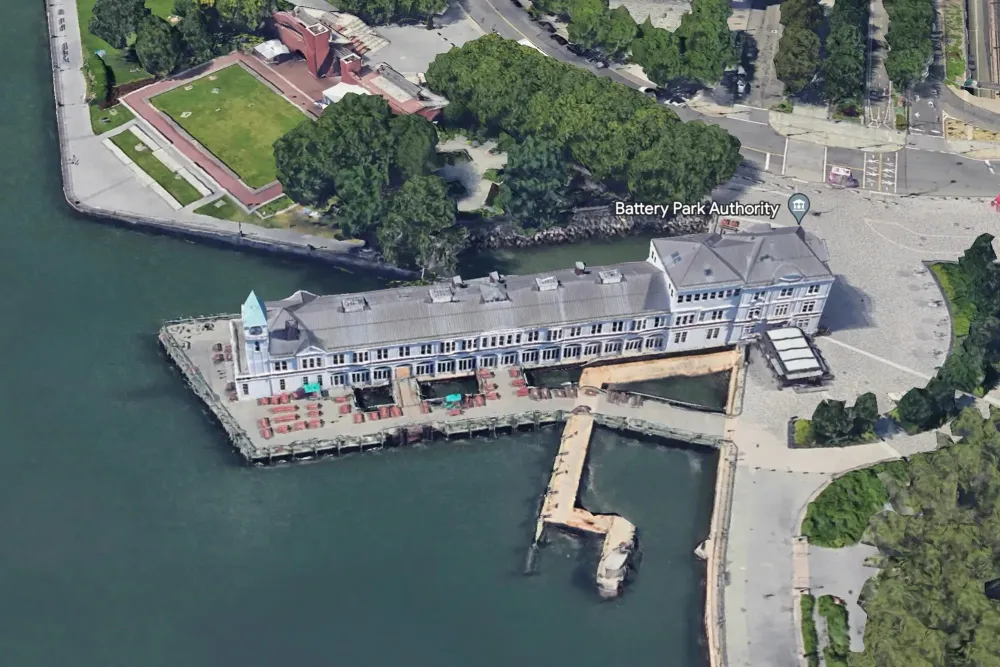
Battery Place & West Street, Manhattan, NYC
≈ $40M
Battery Park City Authority
LiRo Group H3 Hardy Collaboration Architecture
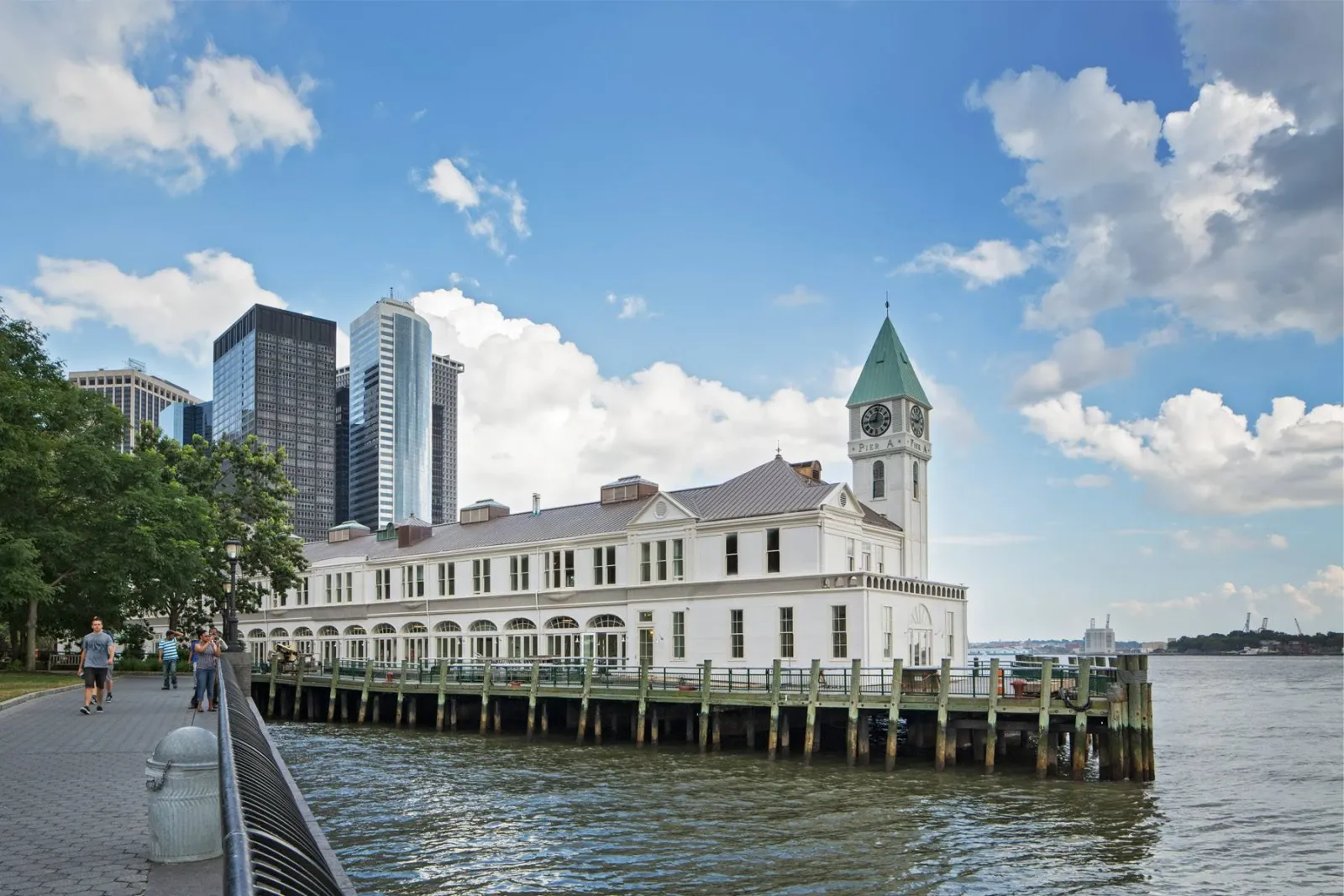
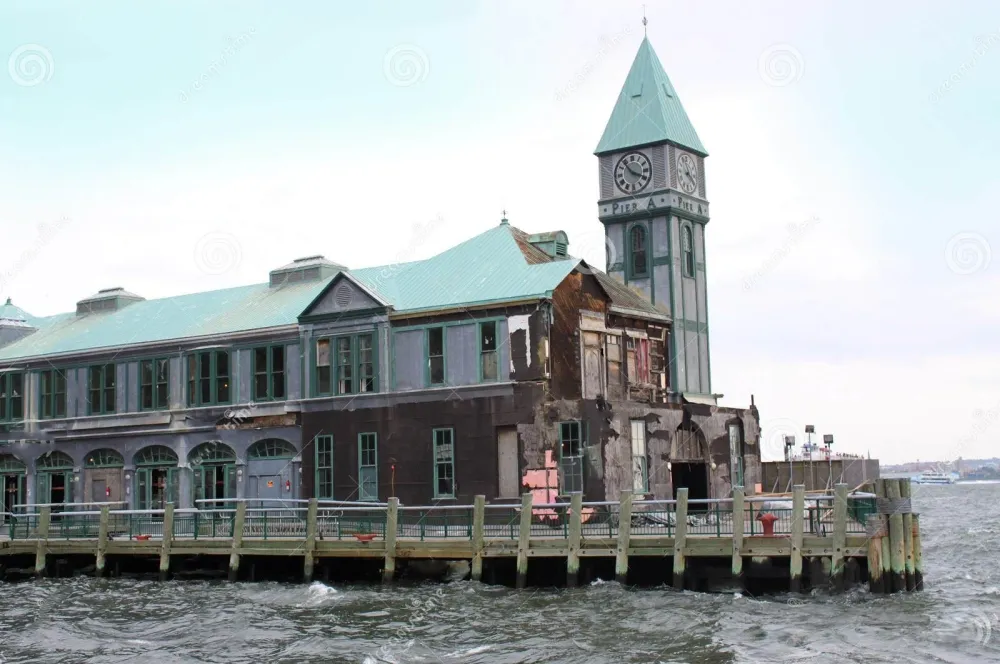
Pier A is Manhattan's only surviving masonry pier structure, built 1884–1886 as headquarters for the Department of Docks and the NYPD Harbor Unit. Its signature copper-clad clock tower, added in 1919, was America's first WWI memorial. Through the 20th century it housed FDNY Marine Operations before decades of abandonment and severe salt-water deterioration forced full stabilization. Designated a NYC Landmark in 1977 and listed on the National Register in 1975, the pier's rehabilitation represented one of the most technically demanding adaptive reuse projects in recent New York waterfront history.
Technical
Scope
LiRo Group
H3 Hardy Collaboration Architecture
≈ $40M
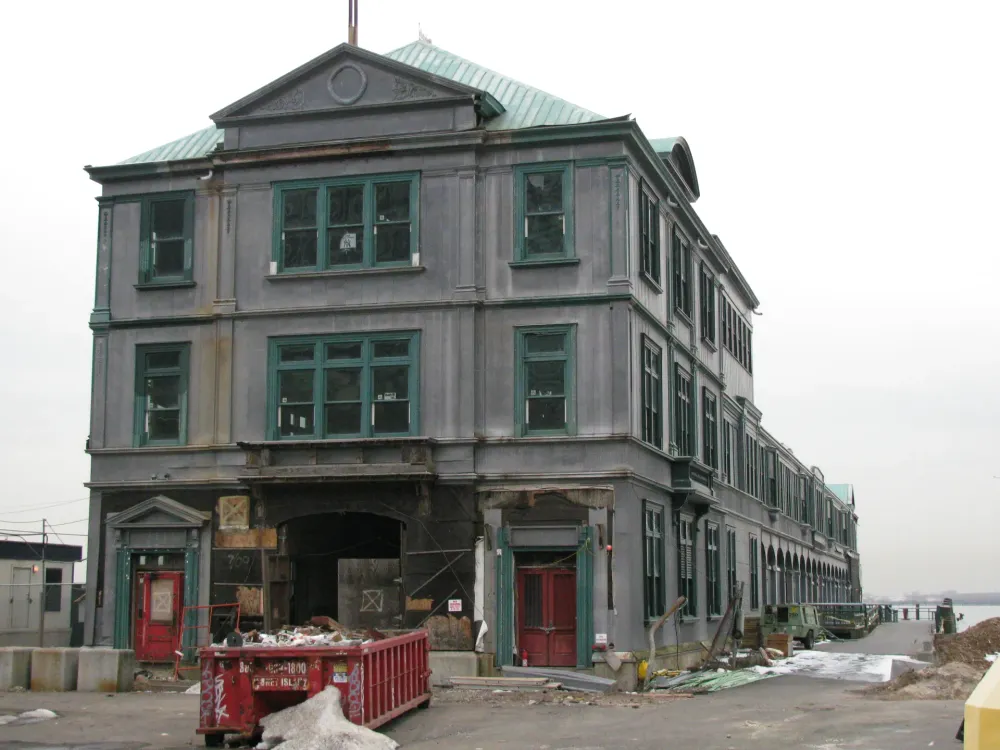
The overall scope encompassed the full structural, architectural, and environmental restoration of the surviving masonry pier, transforming the landmark into a modern, flood-resilient public facility. The work required stabilization and partial reconstruction of the pier's timber and steel substructure, including marine-grade treated piles, composite decking, and reinforced masonry walls repointed with lime mortar historically matched to the original 19th-century mix. Following Hurricane Sandy in October 2012, the scope expanded to include critical resilience upgrades: all electrical panels and mechanical equipment were relocated above FEMA flood elevations by an additional three feet, flood-resistant doors with marine seals were installed, lower wall assemblies were reconstructed with cementitious backerboard and closed-cell spray foam, and quick-disconnect MEP risers with sacrificial first-floor finishes were introduced for rapid replacement after future flood events. Plaza drainage systems and bulkhead tie-ins were upgraded to redirect stormwater and mitigate surge pressure, transforming the building's vulnerability into a model for adaptive coastal resilience.
The drywall and carpentry scope focused on precise reconstruction of interior partitions, ceilings, and architectural features within a highly sensitive marine environment. New framing systems used moisture-resistant metal track and studs supporting gypsum assemblies designed for long-term performance in coastal conditions. Type X gypsum board assemblies achieved Level 4 finish within a continuous vapor-barrier system preventing humidity infiltration. Custom soffits and bulkheads concealed newly introduced MEP infrastructure without interrupting the exposed truss geometry or the pier's original architectural character. LPC-selected sections of existing millwork were carefully restored; missing or damaged profiles were replicated to match 19th-century detailing. All carpentry elements were installed with old-world methods and precision tolerances to meet modern code requirements while preserving craftsmanship and material authenticity.
The protection package centered on safeguarding the pier's restored structure throughout all construction phases. Full-height, fire-rated temporary partitions isolated active work zones. During lead-paint abatement and masonry repointing, weather-resistant containment enclosures with negative-air filtration systems controlled dust and airborne particulates. Floors and structural columns were protected with layered assemblies of rigid insulation and plywood. Continuous dehumidification and HEPA air filtration controlled condensation and salt-air corrosion, ensuring all historic materials and newly installed assemblies remained stable throughout every phase.
The Founding
Partners
The Founders of GCC oversaw the carpentry and protection scopes of work, ensuring every element met the project's preservation and performance standards. Their leadership balanced heritage sensitivity with modern construction precision — managing the integration of new framing, drywall, and millwork within the historic pier's restored structure while maintaining strict environmental and substrate protection protocols. Under their supervision, crews executed all interior build-out and finish protection measures with sensitive care, safeguarding the pier's restored masonry, glazing, and marine timberwork throughout each phase of construction.
Project
Outcome
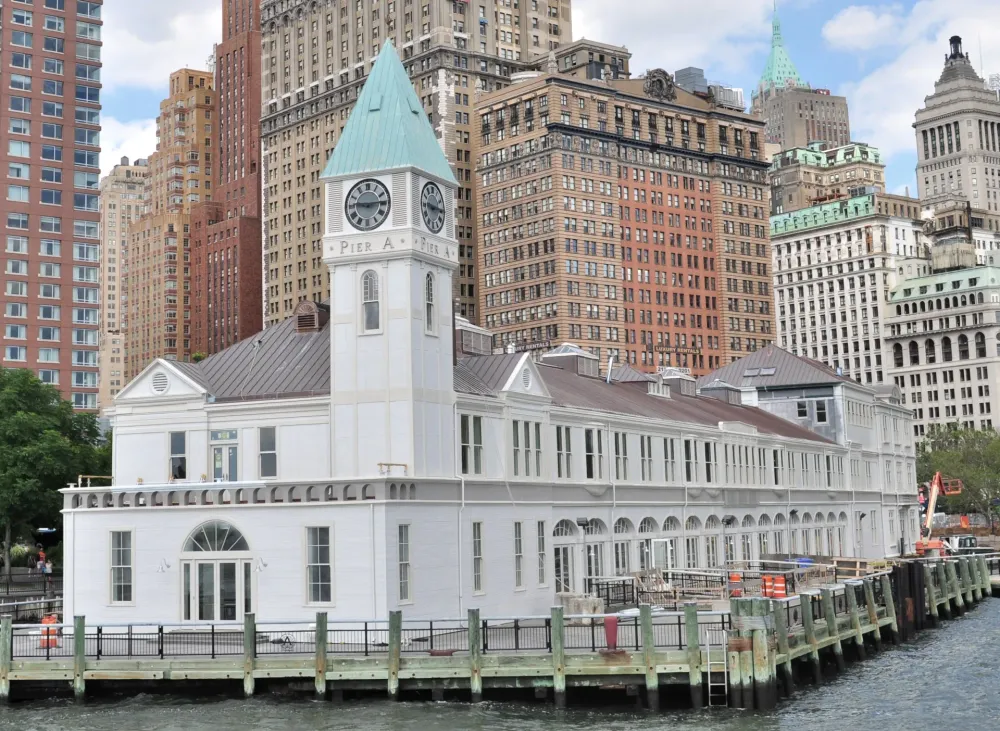
The restored Pier A reopened in 2014 as Pier A Harbor House, marking the return of one of New York's last 19th-century piers to civic use. The project demonstrated how authentic restoration and resilience engineering can coexist — integrating historic fabric with modern life-safety, flood-proofing, and systems infrastructure. Its performance during subsequent coastal events has validated the strategy, earning multiple preservation awards and establishing Pier A as a model for adaptive reuse and climate-ready waterfront stewardship.