Fordham Hughes Hall
Complete structural and architectural reconfiguration of Fordham University's 1891 French Gothic landmark — new steel superstructure constructed within the preserved granite shell. LEED Silver. ENR Award of Merit.
Drywall, Carpentry & Protection
Rose Hill Campus, Bronx, NY
≈ $38M
Fordham University
Tishman Construction Corporation HLW International LLP
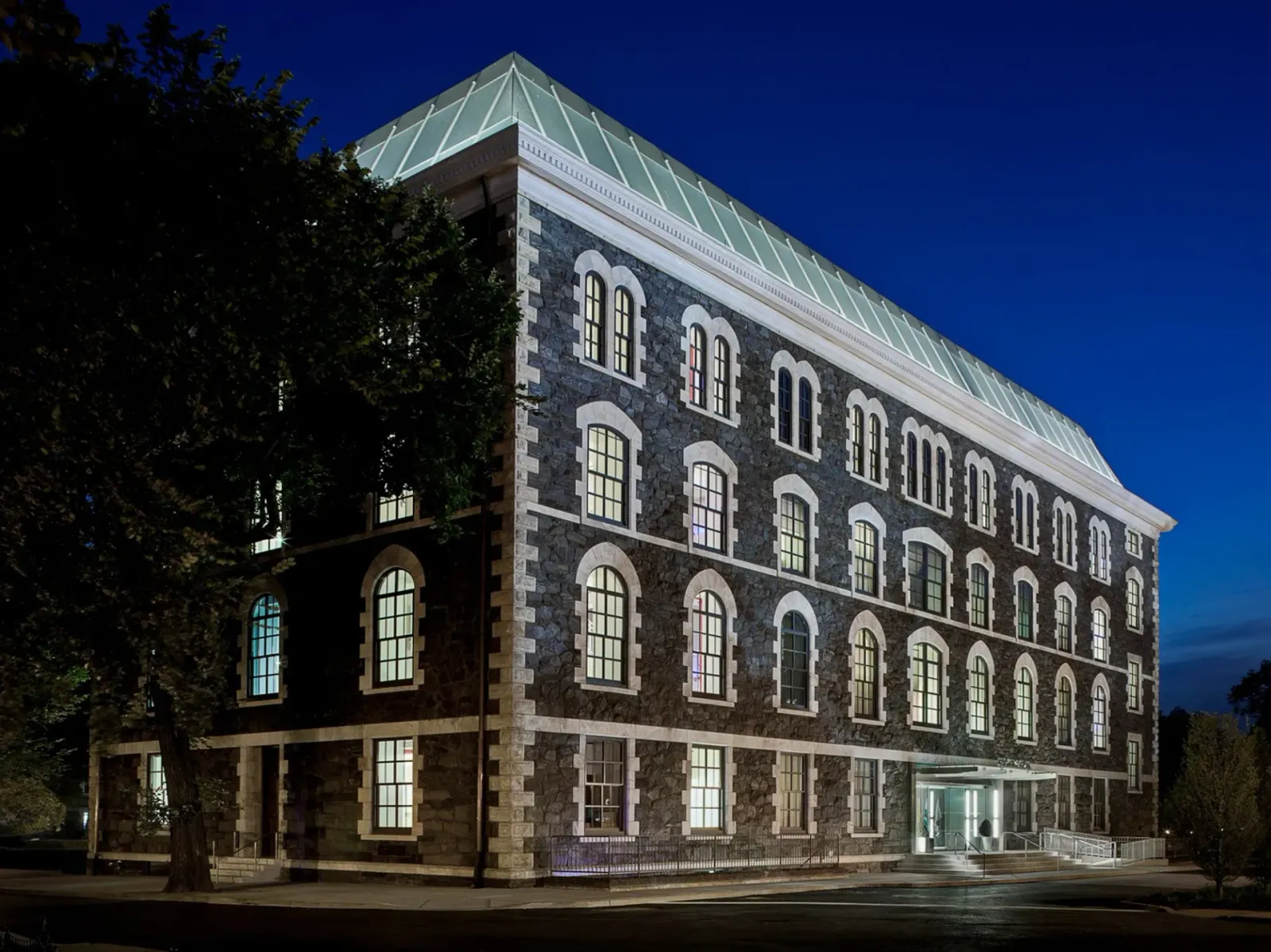
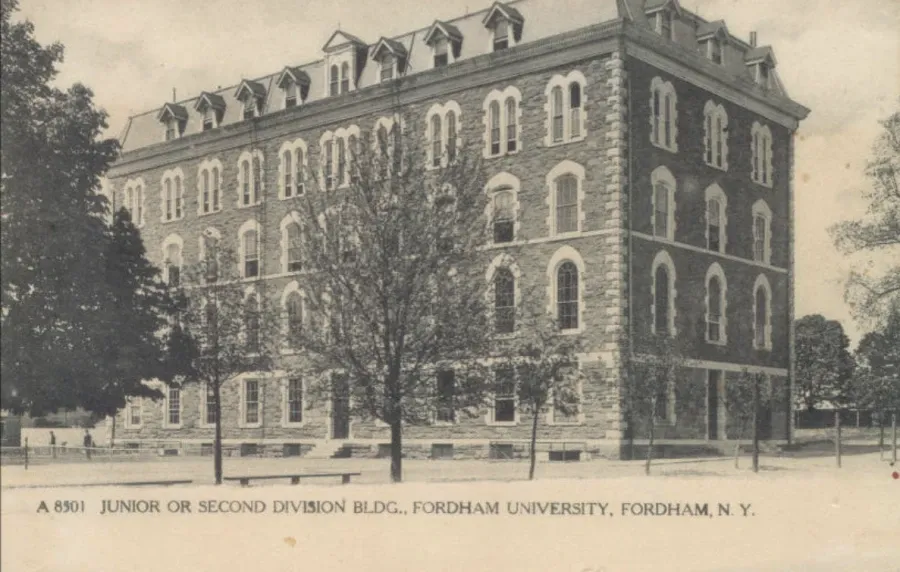
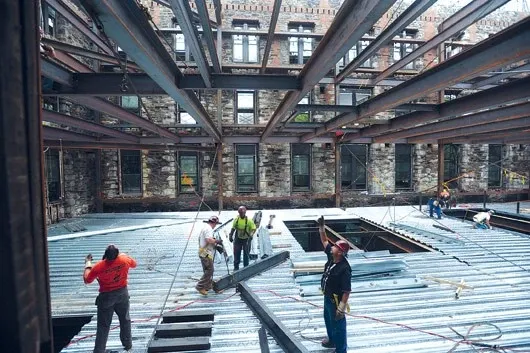
Originally constructed in 1891, Hughes Hall is one of Fordham University's oldest buildings, designed in the French Gothic style with granite masonry characteristic of the Rose Hill campus. Its transformation into the home of the Gabelli School of Business required a full historic renovation that maintained the landmarked exterior while constructing an entirely new interior steel structure within the existing granite shell — one of the most technically demanding adaptive reuse operations in New York academic construction history.
Technical
Scope
Tishman Construction Corporation
HLW International LLP
≈ $38M
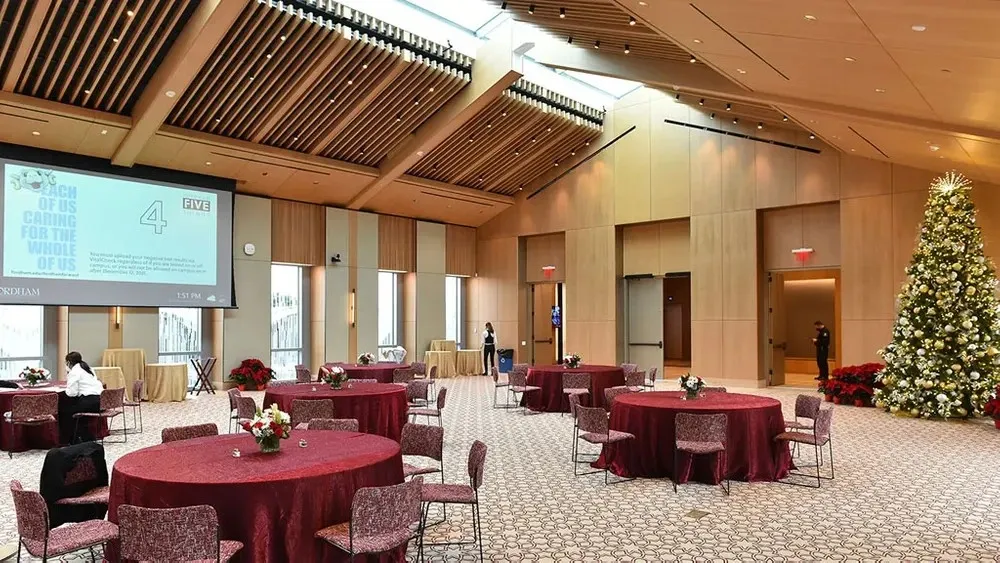
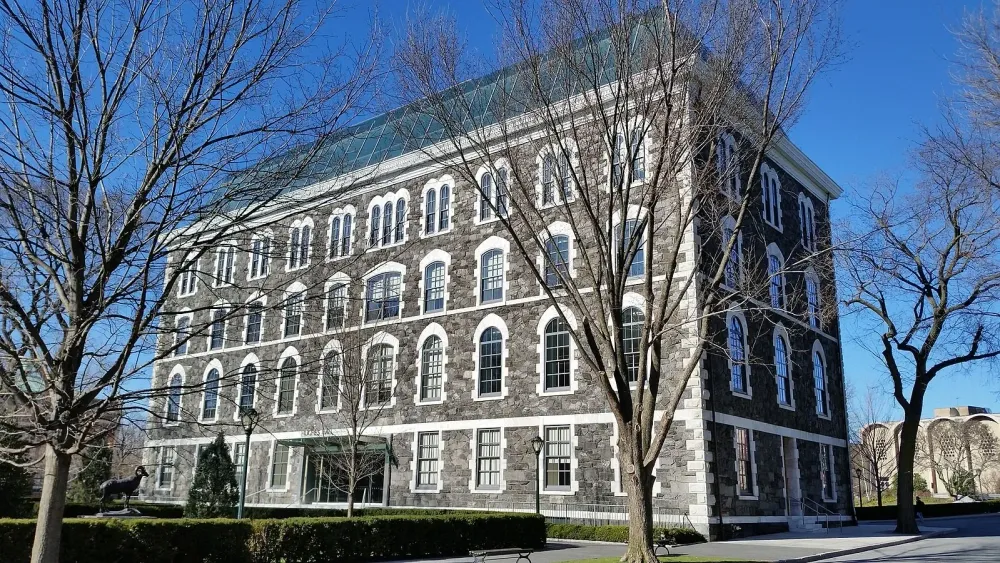
The renovation encompassed a complete structural and architectural reconfiguration within the preserved granite shell. Beginning with full interior demolition, followed by underpinning and the lowering of existing foundations by approximately eight feet to accommodate new mechanical spaces. A new steel framing system — comprising seventy-five-foot interior columns, slabs, and load-bearing cores — was constructed to support modern floor loads. The building envelope underwent extensive restoration including façade repointing, granite repair, and the meticulous reconstruction and realignment of the copper and bronze cornice and frieze. The roof was rebuilt as a hybrid glass-and-copper clerestory system. All MEP systems were replaced with high-efficiency infrastructure tied into Fordham's digital campus controls. The completed facility houses a 160-seat lecture hall, ten technology-enabled classrooms, a Bloomberg trading floor, and faculty collaboration spaces — meeting LEED Silver performance standards.
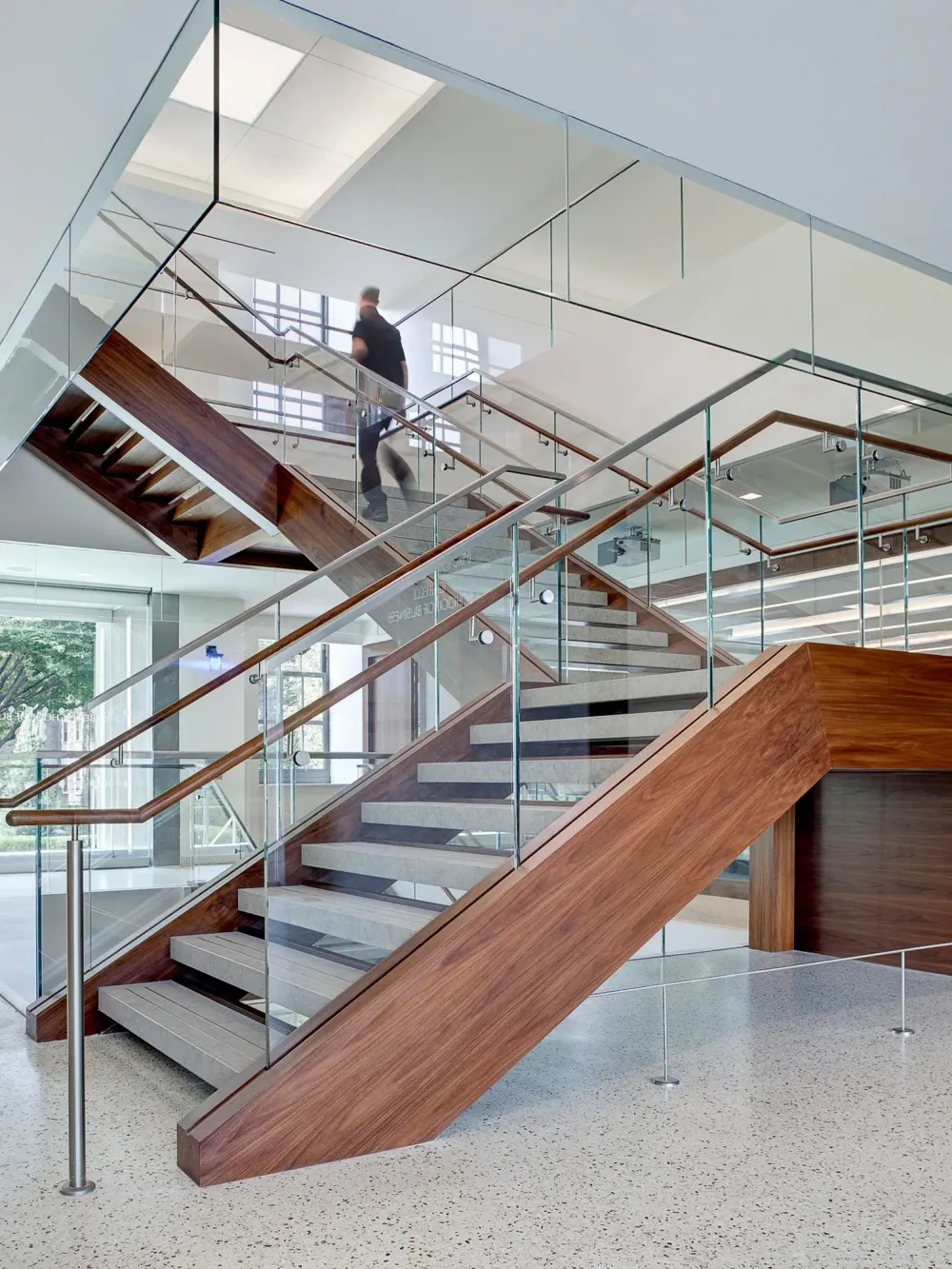
The drywall and carpentry package involved a complete interior buildout coordinated around the new structural steel framework. GCC's team provided light-gauge metal framing layouts for all partitions, soffits, shaft walls, and ceiling bulkheads, ensuring alignment with millimeter-level tolerances. Fire-rated and acoustically insulated gypsum board assemblies were installed for lecture halls, offices, and mechanical enclosures. Custom millwork was fabricated and installed to replicate the building's original architectural proportions — trims, wall panels, window casings, and stairwell finishes. A key component of the carpentry scope was the structural reattachment and realignment of the building's bronze and copper cornice and frieze, which required precision survey, custom steel anchoring, and non-invasive fastening systems integrating heritage detailing with modern structural performance.
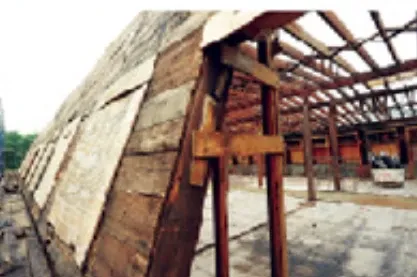
The protection program reflected both the building's landmark status and its active campus location. Full-height perimeter scaffolding and debris netting protected the granite façade, limestone trim, and historic window surrounds. Negative-air containment zones with HEPA filtration and real-time vibration monitoring mitigated dust, vibration, and moisture migration. Temporary roof enclosures and phased weatherproofing safeguarded the structure during the copper and glass roof reconstruction. Breathable, non-adhesive protection films were applied to finished floors, stonework, and ornamental metals. Daily housekeeping, tool-path restrictions, and controlled access protocols maintained a clean, secure environment within a live academic setting.
The Founding
Partners
The Founders of GCC led the drywall, carpentry, and protection scopes on the project. Their leadership ensured seamless coordination between structural, architectural, and MEP systems within an exceptionally constrained historic envelope. They managed the full installation of metal stud framing, gypsum assemblies, millwork detailing, and ceiling systems while overseeing the structural reattachment and alignment of the restored bronze and copper frieze. Their combined efforts established a benchmark for craftsmanship, coordination, and conservation-driven construction.
Project
Outcome
The renovation of Hughes Hall transformed one of Fordham University's oldest buildings into a world-class academic environment. Behind the restored granite façade lies a state-of-the-art infrastructure: fully networked classrooms, a Bloomberg trading floor, telepresence suites, and intelligent building systems. The project earned LEED Silver certification and recognition from the New York Landmarks Conservancy and AIA New York for exemplary restoration and adaptive reuse. It stands as a model for how historic academic architecture can evolve into a globally competitive learning environment without compromising its original character.