AMNH Northwest Coast Hall
Renovation of the American Museum of Natural History's oldest gallery. A 63-foot Great Canoe relocated by 3D laser scan and overnight gantry. Ten First Nations cultural stakeholders. January 2020 to May 2022.
Drywall, Carpentry & Protection
American Museum of Natural History, New York, NY
$25M
American Museum of Natural History
AECOM Tishman WHY Architects (Kulapat Yantrasast)
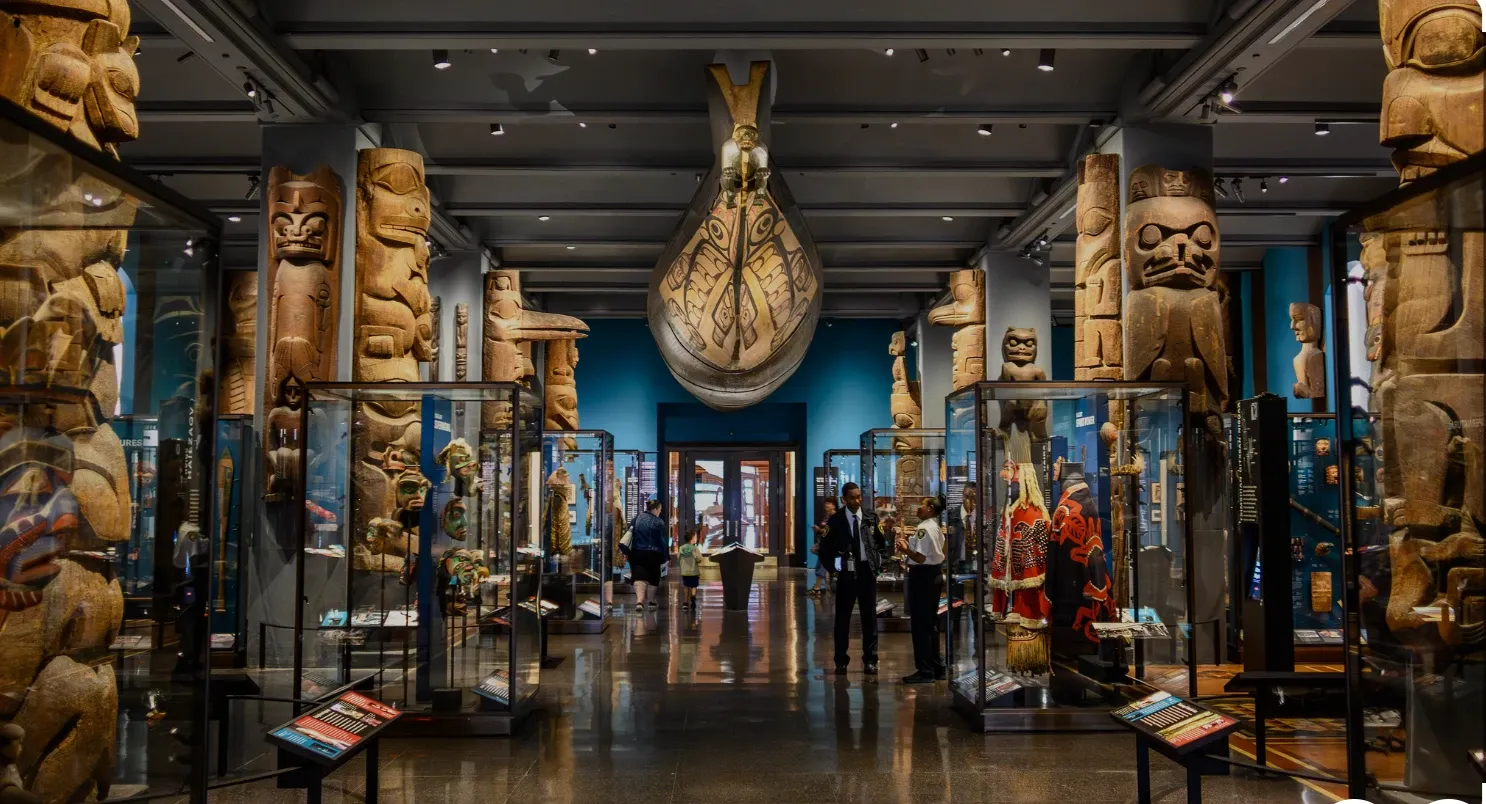
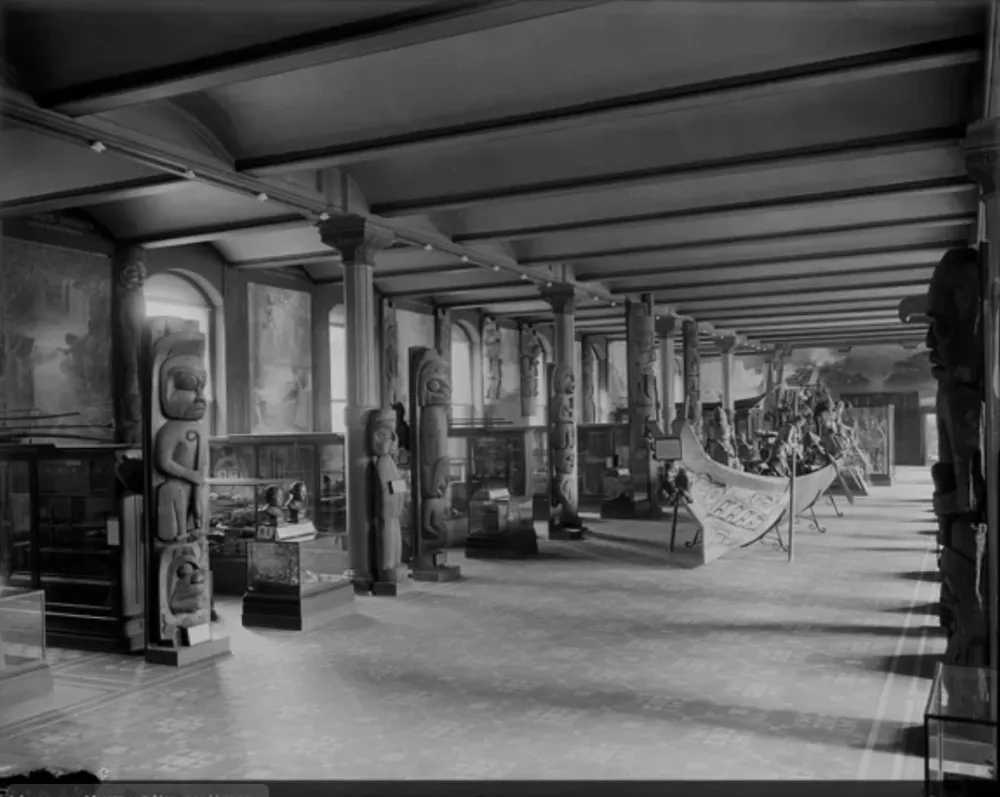
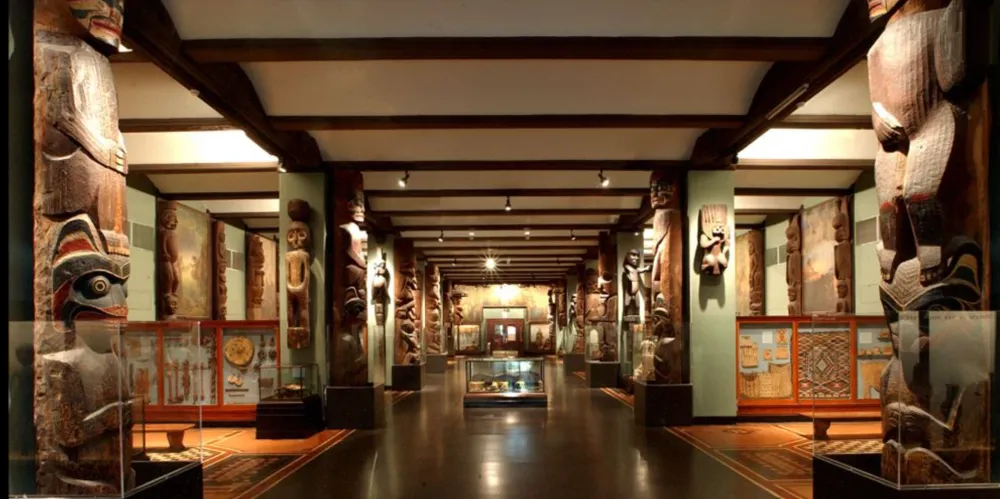
Opened in 1899, the Northwest Coast Hall is the American Museum of Natural History's oldest gallery. It houses one of the world's most significant collections of Northwest Coast Indigenous art and cultural objects, including totem poles, ceremonial objects, and the 63-foot Haida Great Canoe. This $25 million renovation focused on balancing the meticulous preservation of its 19th-century physical fabric with a complete re-envisioning of how Indigenous culture is presented in a contemporary institutional context — a process requiring direct, ongoing collaboration with 10 First Nations communities from January 2020 through completion in May 2022.
Technical
Scope
AECOM Tishman
WHY Architects (Kulapat Yantrasast)
$25M
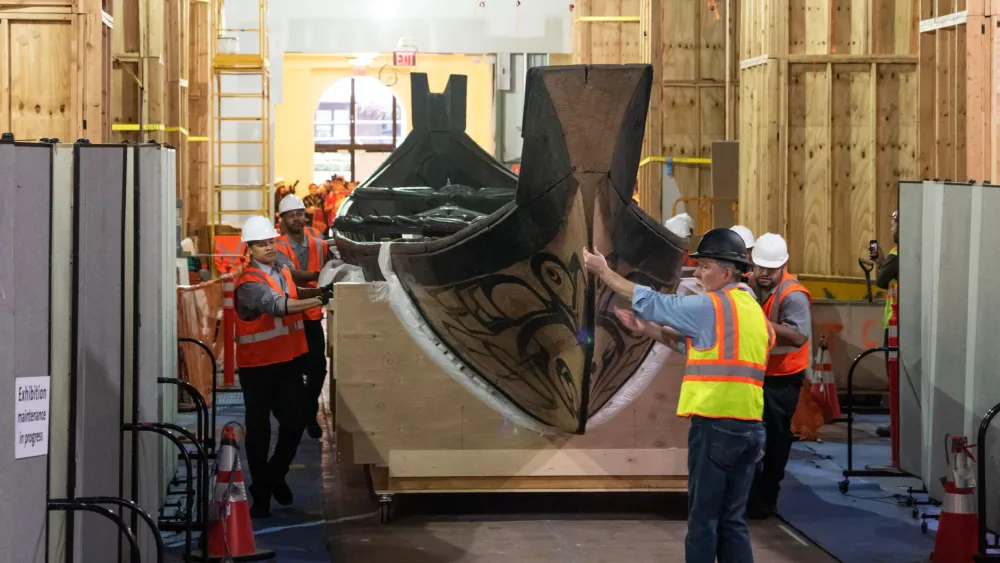
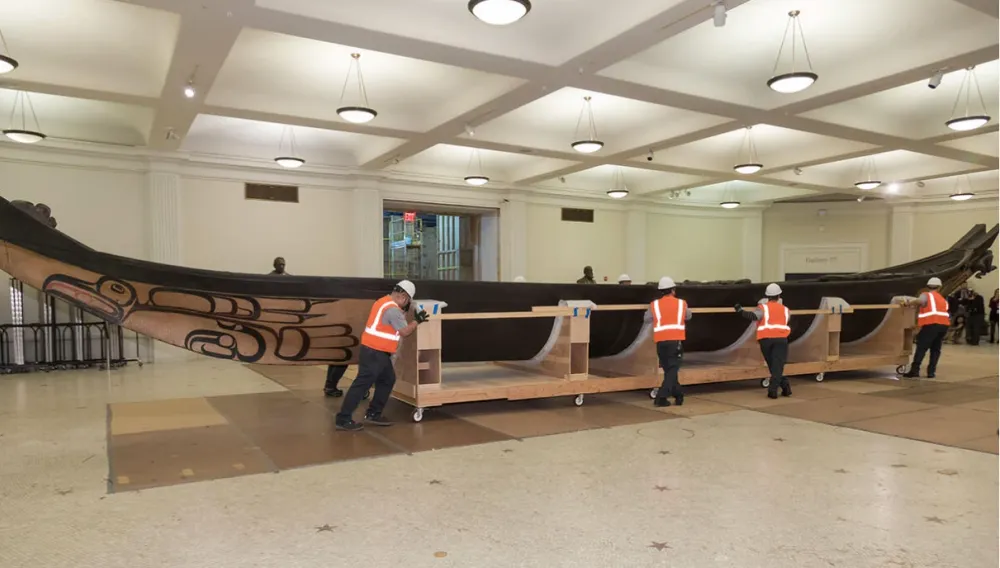
The project encompassed a full interior renovation involving state-of-the-art HVAC and precision climate controls calibrated to museum-grade conservation tolerances. The central technical challenge was the relocation of the 63-foot Haida Great Canoe — a designated cultural artifact of extraordinary significance — which required comprehensive 3D laser scanning of the existing gallery geometry to map a precise movement path, followed by specialized overnight rigging operations using custom gantry systems to execute the relocation without risk of contact or vibration damage. The carpentry scope involved multiple layers of acoustical and fire-rated assemblies with museum-grade, non-off-gassing materials selected for environmental stability consistent with long-term artifact conservation.
Drywall and carpentry assemblies throughout the hall were specified and installed to museum conservation standards: all materials were vetted for zero off-gassing and verified moisture resistance. Partition framing, ceiling assemblies, and architectural feature elements were coordinated with exhibition design requirements from WHY Architects and the cultural framework established by the First Nations stakeholder consultation process. Climate-control integration required concealed blocking and structural pathways throughout ceiling and wall assemblies to accommodate the precision HVAC termination locations required for uniform air distribution across artifact display areas.
Construction zones were isolated with fire-rated partitions and custom climate-controlled enclosures designed specifically for the protection of totem poles, ceremonial objects, and the Great Canoe. Rigid containment walls utilized HEPA-filtered negative-air machines to prevent particulate migration toward artifact storage areas. Daily inspections were conducted to ensure all non-adhesive protection films complied with strict institutional conservation protocols. Vibration monitoring was maintained continuously during all structural and rigging operations to prevent any transmission into the artifact collection.
The Founding
Partners
The Founders of GCC led the drywall, carpentry, and protection scopes on the Northwest Coast Hall Renovation. Their site leadership maintained the dual standard demanded by a live institution — keeping irreplaceable cultural artifacts secure while executing a complete interior renovation in one of the museum's most significant galleries. Their coordination of the Great Canoe relocation — integrating 3D laser scan data, custom rigging protocol, and museum conservation requirements into a single overnight operation — stands as one of the most technically precise field operations in the GCC portfolio.
Project
Outcome
The Northwest Coast Hall reopened in May 2022 as one of the most significant reimaginings of Indigenous cultural presentation in major American museum history. The 63-foot Great Canoe was successfully relocated without incident. All HVAC systems met conservation-grade psychrometric standards. The gallery stands as a model for how institutional renovation can honor both technical precision and cultural obligation simultaneously.