AMNH Gems and Minerals
Modernization of the Allison & Roberto Mignone Halls. Museum-grade environmental control systems established during an intricate structural extraction. The 1976 architectural geometry entirely reconfigured.
Drywall, Carpentry & Protection
New York, NY
$32M
American Museum of Natural History
AECOM Tishman Davis Brody Bond / Ralph Appelbaum Associates
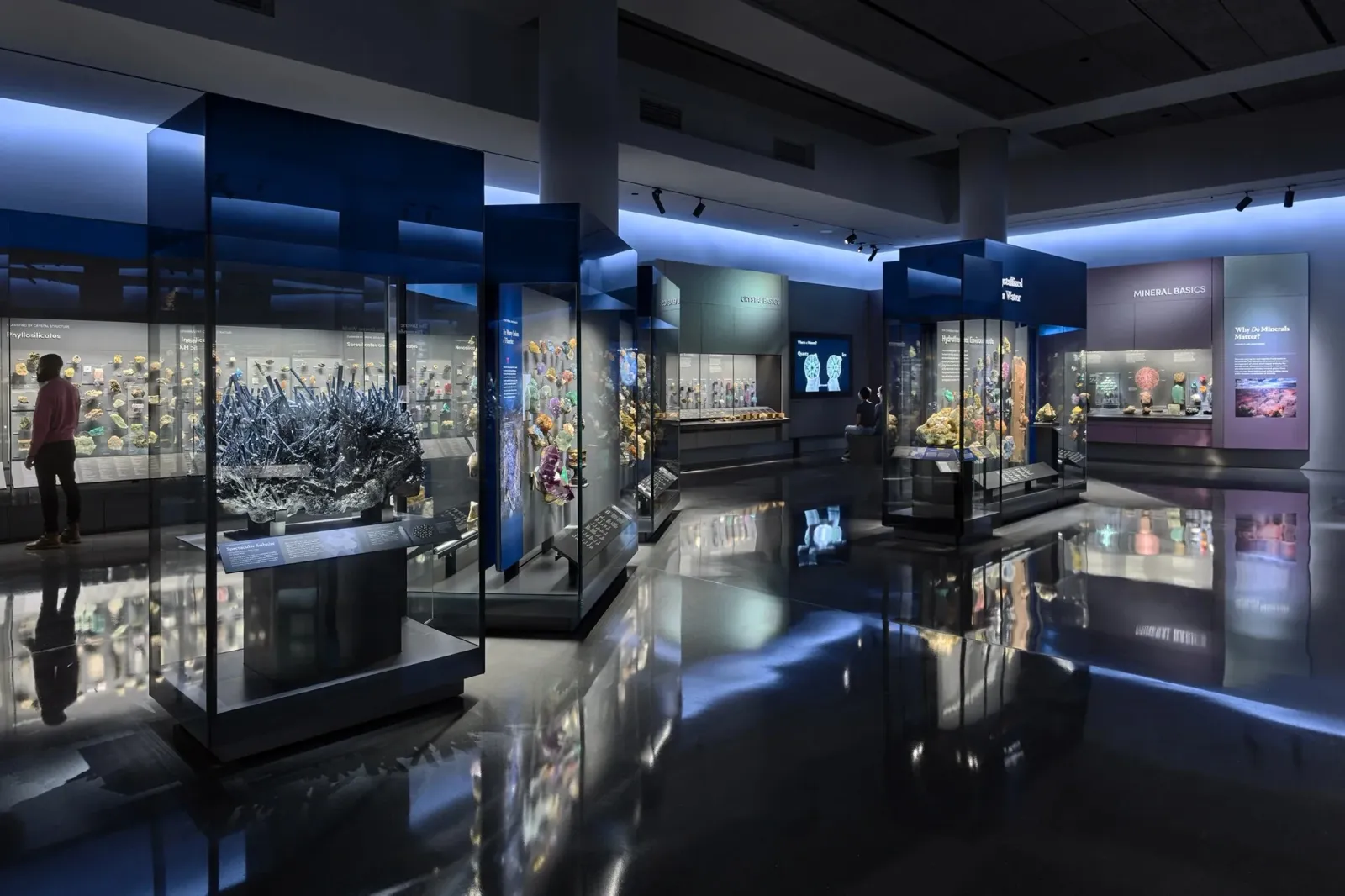
Founded in 1869, the American Museum of Natural History stands among the most consequential natural history institutions on earth. Its Hall of Gems and Minerals — a 1976 installation housing more than 5,000 specimens — had served the institution for four decades before baseline conservation requirements could no longer be met by the existing infrastructure. By 2017, the mandate was total spatial recalibration. The Hall's original neoclassical shell, its 25-foot overhead geometries, and its institutional permanence demanded intervention of the highest technical and preservation order.
Technical
Scope
AECOM Tishman
Davis Brody Bond / Ralph Appelbaum Associates
$32M
Phase I dictated complete site decommissioning. Over 7,000 mineral specimens were extracted, cataloged, and removed under strict climatic protocols. Surgical deconstruction commenced: legacy partitions, obsolete systems, and compromised finishes were stripped entirely, exposing the original neoclassical shell and its 25-foot overhead geometries — cleared for modern MEP integration. Structural slab reinforcement and precision elevation leveling followed, establishing the substrate for a complete 11,000-square-foot exhibition reconfiguration. Climate control systems — psychrometrically calibrated to museum-grade tolerances — were integrated with full concealment behind restored finish planes. Exhibition infrastructure for the radius-ceiling gallery was reconstructed to Davis Brody Bond and Ralph Appelbaum Associates' specifications.
The drywall and carpentry scope required the construction of museum-grade wall and ceiling assemblies within a live institution operating above and adjacent to the work zone. All partitions were framed to millimeter tolerances to receive Level 5 gypsum finishes — the standard demanded by the exhibition design team. Radius ceiling geometry required custom-bent metal framing and compound-curved gypsum board installations. Structural blocking for exhibition cases, lighting systems, and concealed MEP terminations was coordinated across all trades. Every assembly was engineered to maintain stable humidity envelopes consistent with specimen conservation requirements.
Occupied museum operations dictated zero-tolerance boundary control throughout all phases. Fire-rated, rigid containment walls were engineered and secured under continuous negative-air pressurization. Particulate migration was mechanically eliminated. Overhead protection isolated the structural framing sequences. Continuous HEPA filtration and active vibration monitoring secured the adjacent historical collections — including the adjacent Hall of Ocean Life — from dust, vibration, and humidity fluctuation throughout the project's duration.
The Founding
Partners
The Founders of GCC oversaw the full drywall, carpentry, and protection scopes of work at the AMNH Mignone Halls project. Operating within one of the world's premier natural history institutions required an exceptional standard of field discipline — coordinating trade sequences in proximity to irreplaceable collections, maintaining HEPA-filtered containment throughout structural phases, and achieving Level 5 finishes within a radius-ceiling geometry. Their direct site leadership ensured that every assembly met the dual demands of exhibition-grade aesthetics and conservation-critical environmental stability.
Project
Outcome
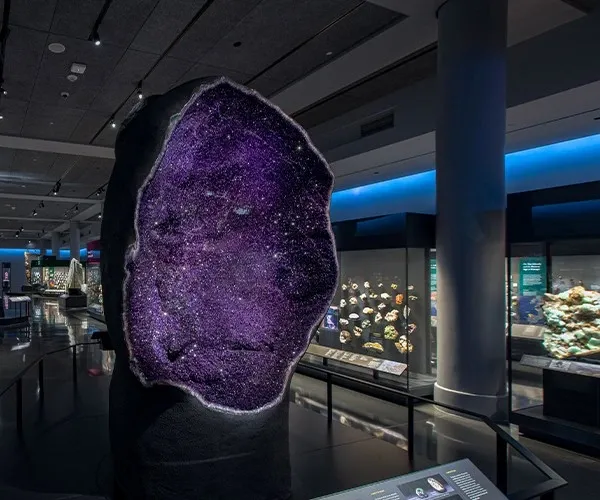
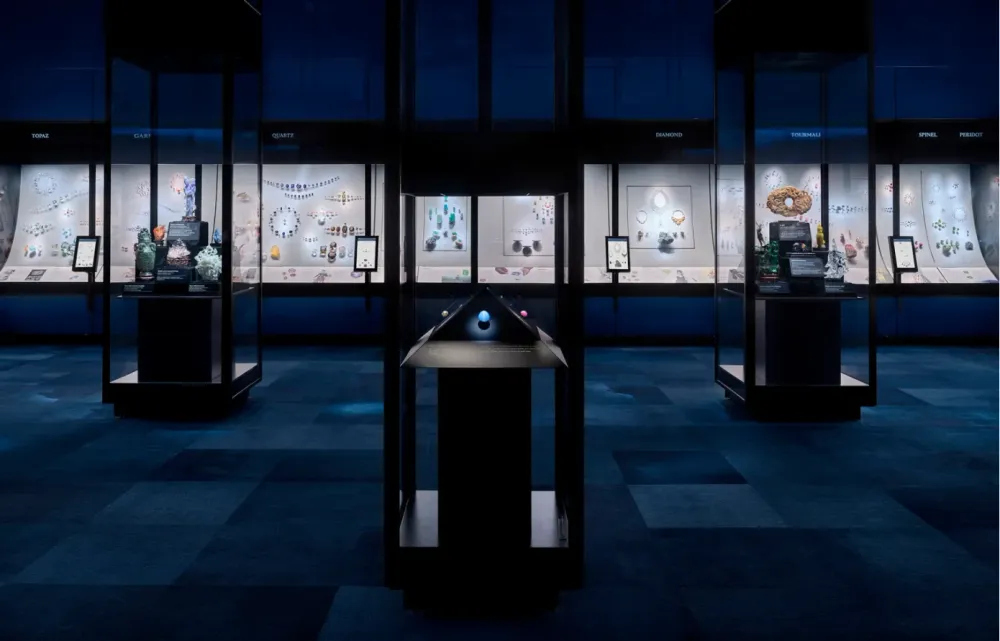
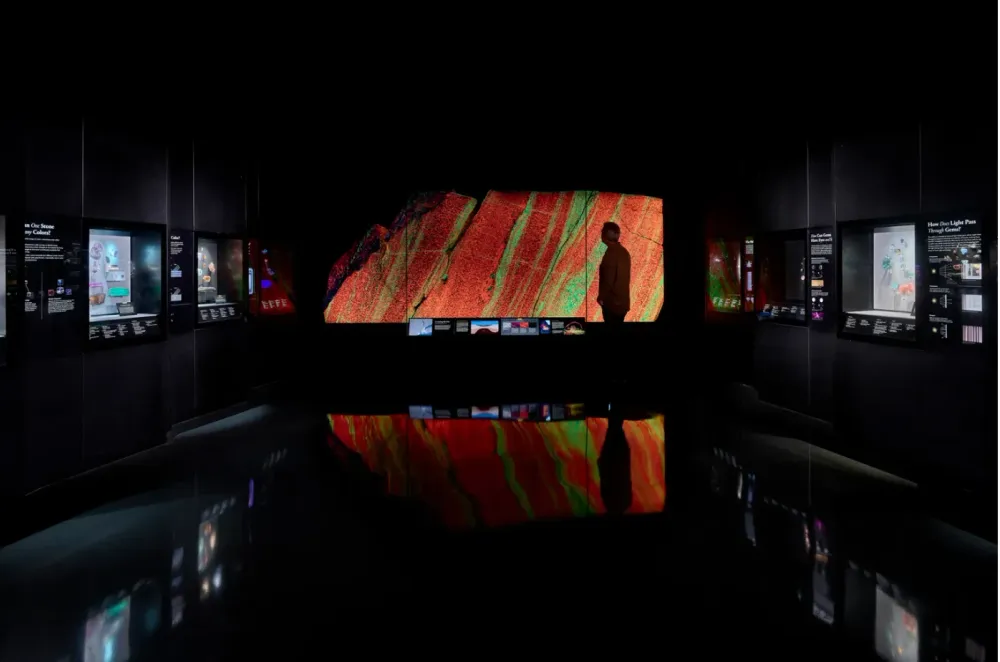
The Mignone Halls were entirely modernized. 11,000 square feet translated from a 1976 exhibition scheme to a precision architectural standard aligned with 21st-century conservation science. The institution reopened the radius-ceiling gallery in 2021 with its full collection of 5,000 specimens. The climate control systems achieved the psychrometric stability required for long-term specimen integrity. The collections remain fully preserved.